The advent of Industry 4.0 has brought a profound transformation in production and operational systems. The interconnection of equipment, systems, and processes introduces a critical challenge: industrial cybersecurity. Industrial computers play a key role in this context, managing, controlling, and monitoring critical machinery operations and automated production lines. However, increasing digitization also makes them attractive targets for cyberattacks.
What is Cybersecurity in Industry 4.0?
Cybersecurity in Industry 4.0 refers to practices and technologies designed to protect industrial systems—including networks, industrial computers, and connected equipment—against cyber threats. This protection is crucial to avoid disruptions, sabotage, and theft of sensitive information. As more automated control and management systems are integrated, the attack surface grows, making robust security measures essential.
Importance of Industrial Cybersecurity
Industrial cybersecurity not only protects confidential information but also safeguards the physical integrity of facilities. Vulnerabilities in industrial computers could lead to devastating consequences. For instance, a targeted attack on programmable logic controllers (PLCs) in a production line could shut down an entire plant, causing significant economic losses.
Industrial computers are the backbone of these systems, managing real-time processes, data flow, and ensuring continuous operations. A compromised system could result in severe disruptions, physical damage to machinery, and even endanger workers’ safety.
Key Considerations for Securing Industrial Computers
Industrial computers require distinct protection compared to traditional IT systems due to their unique characteristics: operating in harsh environments (extreme temperatures, humidity, vibrations), real-time processing requirements, and the need for continuous operation over long periods.
Key security measures include:
- Network Isolation: Internal networks partially protect industrial computers, but IT/OT integration compromises this isolation. Firewalls and network segmentation are vital.
- Updates and Patches: Industrial systems often operate with outdated software, making them vulnerable. Regular updates are crucial without disrupting production.
- Authentication and Access Control: Enforce strict access policies, including multi-factor authentication (MFA) and role-based permissions.
- Continuous Monitoring: Real-time monitoring solutions help detect anomalies and potential intrusions early.
- Malware Protection: Even isolated systems can be exposed to ransomware or spyware. Industrial-specific antimalware solutions are essential.
Challenges in Cybersecurity for Industry 4.0
The adoption of technologies like the Internet of Things (IoT), artificial intelligence, and big data analytics in Industry 4.0 increases system complexity and introduces new attack vectors. Industrial computers, once closed systems, now operate within globally interconnected networks, heightening vulnerability.
A key challenge is balancing security with availability. Industrial facilities cannot afford prolonged downtimes due to security patches or system updates. Security measures must integrate seamlessly without disrupting operations.
Best Practices for Industrial Cybersecurity
To ensure adequate cybersecurity for industrial computers, the following best practices are recommended:
- Risk Assessment: Conduct regular security audits to identify vulnerabilities.
- Staff Training: Educate employees on cyber risks and preventive measures.
- Security by Design: Prioritize equipment with built-in security features during procurement.
- Backup and Recovery: Implement regular backup strategies to minimize the impact of successful attacks.
Cybersecurity in Industry 4.0 is vital for protecting the continuity and efficiency of industrial systems. Industrial computers, as the core of automated operations, require specific protections tailored to their unique requirements. A comprehensive strategy that includes network isolation, access control, regular updates, and constant monitoring is essential to mitigate risks and ensure the security of industrial operations in this technological paradigm.
RELATED NEWS

Irontech recibe el Certificado como Advanced Partner de i.safe MOBILE
15.07.25
Blog
Nos complace anunciar que hemos recibido el certificado oficial que nos acredita como Advanced Partner […]

Difference Between Resistive and Capacitive Touchscreens
15.01.25
Blog
Touchscreens have revolutionized human-device interaction, enabling intuitive and direct control. There are different touchscreen technologies, […]
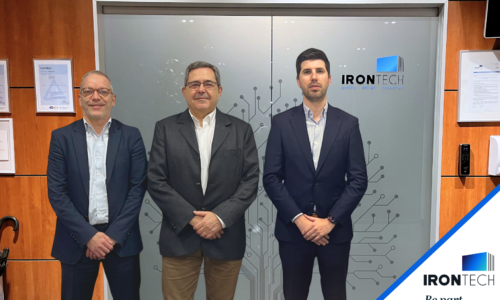
New designations at Irontech to keep growing together
14.01.25
Corporate Announcements
At Irontech, we are pleased to announce an important change in our management structure that […]
Irontech recibe el Certificado como Advanced Partner de i.safe MOBILE
15.07.25Blog
Nos complace anunciar que hemos recibido el certificado oficial que nos acredita como Advanced Partner […]
Difference Between Resistive and Capacitive Touchscreens
15.01.25Blog
Touchscreens have revolutionized human-device interaction, enabling intuitive and direct control. There are different touchscreen technologies, […]
New designations at Irontech to keep growing together
14.01.25Corporate Announcements
At Irontech, we are pleased to announce an important change in our management structure that […]